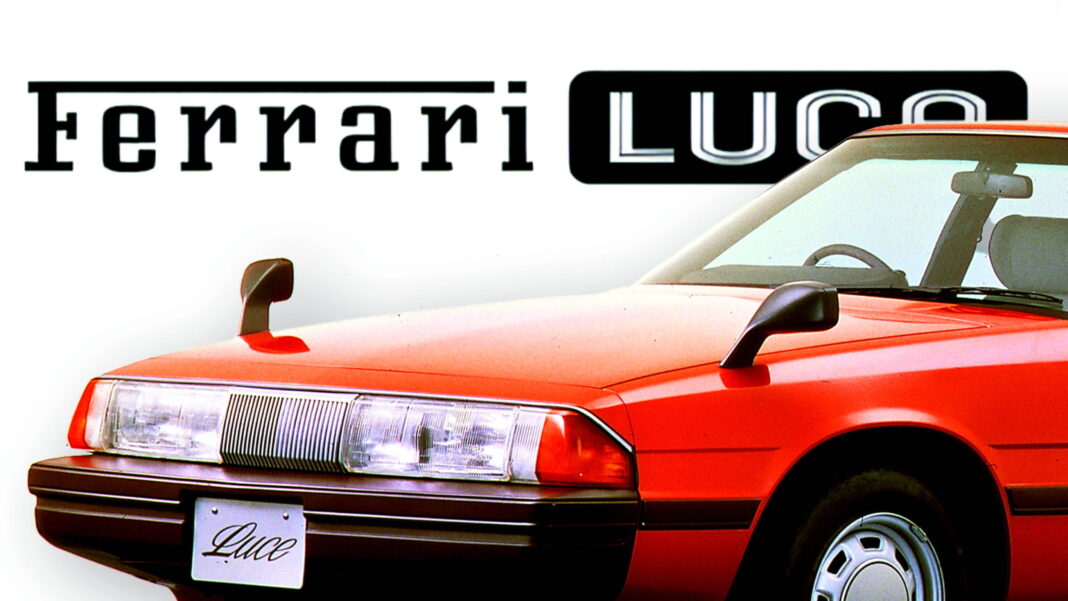
Ferrari claims it holds the rights to the Luce name globally, despite Mazda applying the name to cars for decades
37 minutes ago
- Mazda filed a trademark for Luce weeks after Ferrari revealed the name.
- Ferrari assured Carscoops that it has secured the international rights.
- Luce was a name used on Mazda’s large luxury sedan sold until the 1990s.
Last week we ran a story about Mazda re-filing trademarks for the Luce name it previously used on multiple generations of sedans, and how this might affect Ferrari’s ability to market its new Luce EV in certain regions. Now we’ve heard directly from Maranello, and let’s just say it’s treating the prospect of a trademark clash with the kind of self confidence an 849 Testarossa driver enjoys when lining up alongside a Miata at a stoplight.
Here’s Ferrari’s statement to Carscoops in full:
“Ferrari holds the right to use the ‘Ferrari Luce’ trademark internationally, by virtue of its registration under international law. As always, Ferrari carried out prior searches, which did not identify any active third-party rights in conflict with ours.”
Related: Ferrari Teases The Luce’s Exterior In The Shadiest Way Possible
Separately, a source close to Maranello suggested that any previous trademarks held by other brands – meaning Mazda – appeared to have lapsed at the time Ferrari made its inquiries and then registered the name for itself.
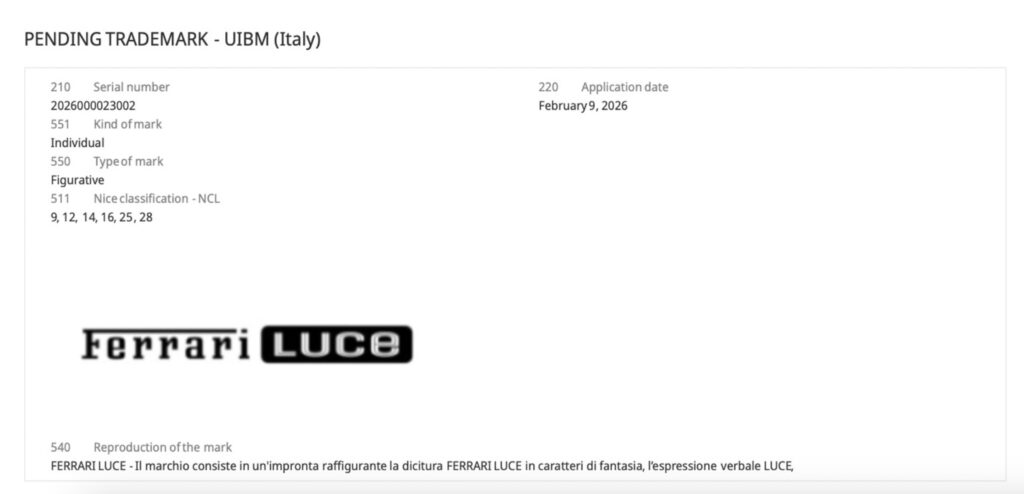
Ferrari revealed the Luce name while teasing the interior of its upcoming electric model on February 9 this year, having filed for a trademark on the name in Italy on the same day. A few weeks later, on March 4, Mazda submitted a trademark application for “Luce” in Japan, as Australia’s Car Expert first spotted.

It’s not clear if Mazda’s move to trademark Luce in Japan is some kind of attempt to fight Ferrari’s right to use the name locally, perhaps because it was considering re-using it. We’ve asked Mazda and will update this story again if we hear back. It’s also worth noting that Ferrari’s trademark is for “Ferrari Luce” and not “Luce,” in the same way that it previously trademarked other names such as “Ferrari California” and not just “California.”
The Luce was once Mazda’s flagship sedan and lived a long life between the 1960s and early 1990s. In some markets, it was better known as the Mazda 929, but the Luce badge itself carries a bit of heritage within the brand, especially in Japan. Mazda even referenced the name when it unveiled the sleek Vision Coupe concept back in 2017. At the time, the company said the design paid tribute to the 1969 Luce Rotary Coupe.
A New Kind Of Ferrari
Back here in 2026, Ferrari is planning a very different kind of Luce, its first-ever EV. And though we’ve only seen the interior so far, the design has already raised eyebrows. It was created by LoveFrom, the design studio founded by Sir Jony Ive of Apple fame and Marc Newson, and cleverly integrates modern digital tech with classic Ferrari visual cues.
Ferrari teased some more of the Luce’s details this month ahead of a May debut, revealing that its four electric motors will get it to 62 mph (100 km/h) in 2.5 seconds and give a 193 mph (310 km/h) top speed. A big 122 kW battery delivers a claimed 329 miles (530 km) of range and can handle 350 kW chargers.
Forced Name Changes Do Happen

Related: 10 Cars That Switched Names Before Takeoff Like Alfa Romeo’s Milano
Cars being launched with one name and then landing in dealers months later with an entirely different one isn’t unheard of. Alfa Romeo famously had to rename its Milano crossover shortly after launch because it wasn’t actually built in Italy and Milan officials objected. The car now goes by the name Junior. And Porsche was forced to turn its 901 into a 911 after Peugeot objected to the use of the central zero.
Many other disputes have popped up over the decades whenever brands think two names sound too similar, but sometimes they’re handled amicably. Citroen, for instance, didn’t kick up a fuss when BMW wanted to use the XM name that had once graced its wedge-shaped executive sedan for the German company’s SUV flagship. And Bentley was able to call its 2003 coupe the Continental GT despite Ford’s Lincoln division already marketing a Continental at that time (the two brands had a similar situation in the 1950s and ’60s).
Mazda