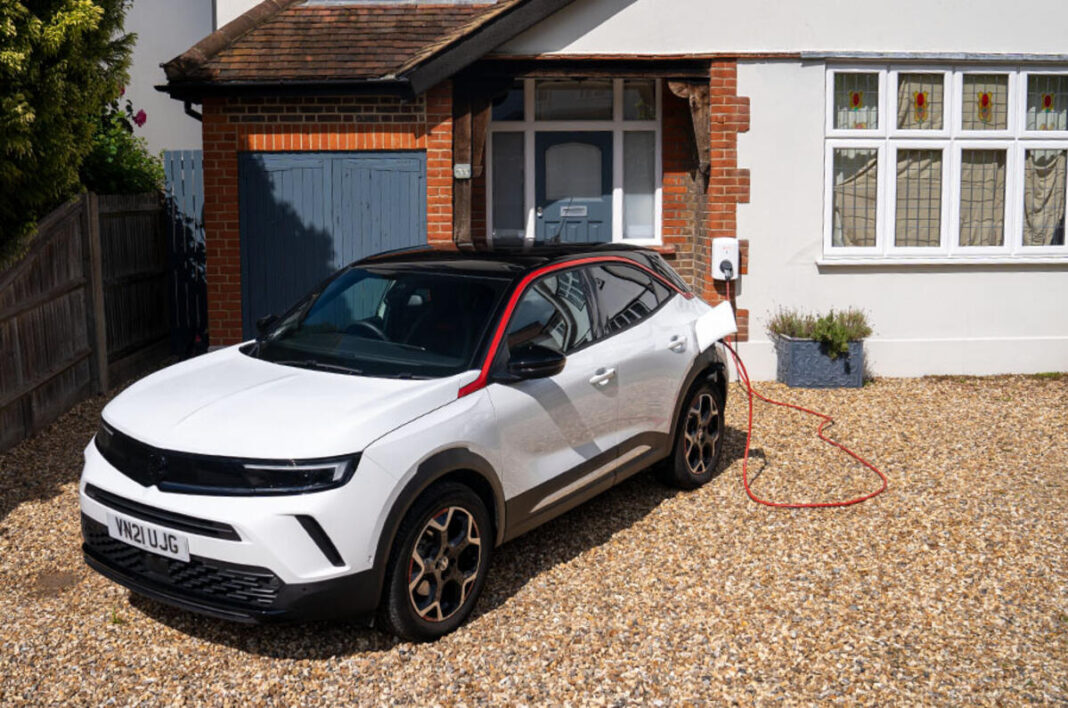
You will need their permission before applying for a grant, and installing a charger doesn’t guarantee you access to the adjacent parking space.
It’s worth having that conversation before you sign up for an electric company car.
What expenses can I claim for charging at home?
Reimbursement for EVs is a little more complicated than it is for their fuel-burning counterparts.
HMRC doesn’t consider electricity to be a fuel, and the cost of business journeys can be hard to separate from the rest of the household’s utility bill.
If employers’ finances are audited, drivers and employers would need to prove how that energy has been used, otherwise the expenses claim can be classed as additional, taxable income.
The easiest way to avoid any administrative headaches is to use HMRC’s approved mileage rates instead, as these avoid the risk of scrutiny later on.
EV drivers can claim 7p per mile on home energy or 15p per mile on public charger energy. If your journey uses a mix of both, HMRC suggests claiming a “fair and reasonable” proportion of the total mileage at each rate. Rates can be adjusted if employers can prove that they represent real-world costs.
Mileage rates for PHEVs are based on their engine size, just like a petrol or diesel car. That’s usually more than enough to cover the cost of fuel and electricity used, especially if most of the journey is on battery power.
Better data is also helping. Since 2019, all grant-funded chargers have had to include a data connection and the ability to log usage, and this now applies to all new home and workplace installations.
It’s a first step towards an energy system that will be able to respond to spikes in demand by delaying or pausing charging sessions, but it also means some can provide usage data to either a web portal or smartphone app.
In turn, this has enabled modern chargers be integrated with a payroll system, accurately recording your electricity costs and automatically paying you back as part of your monthly wages.
However, they’re typically designed for job-need vehicles, such as vans, and less suited to company cars, which undertake a mix of private and business journeys.