Sachin Lawande, the global CEO of Visteon Corporation, a global Tier 1 automotive electronics supplier, is blunt about why India isn’t yet a force in global passenger car markets despite closing in on five million units a year.
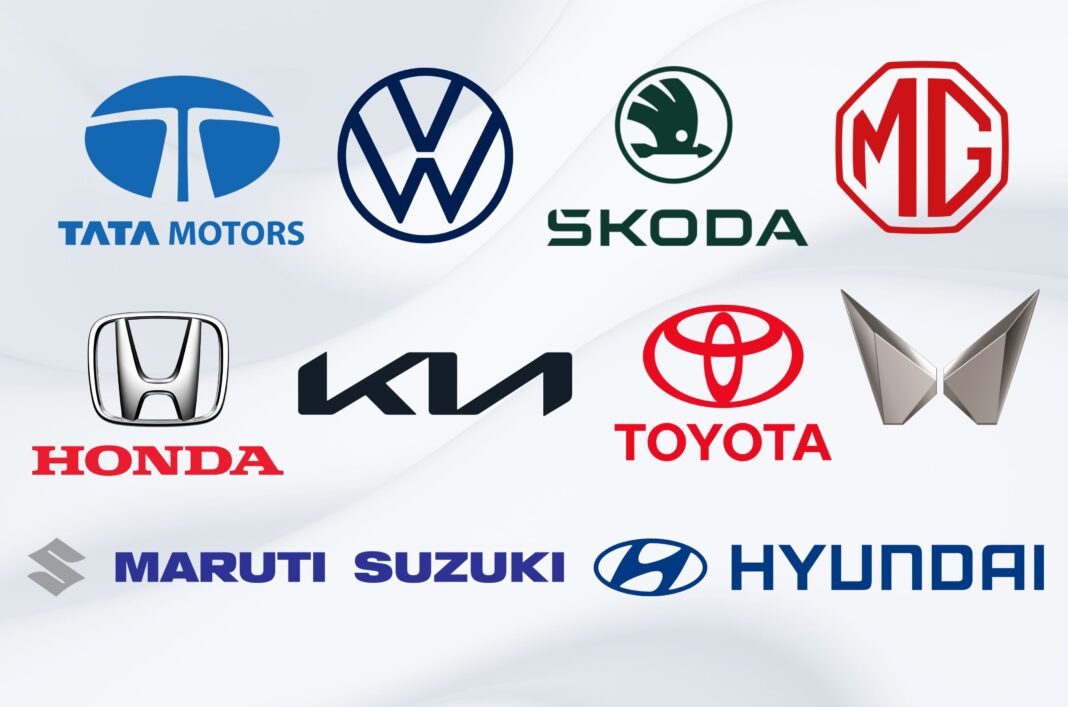
“If you observe these markets where credible and competent car makers have emerged and are thriving, you see one consistent theme – the number of competitors tends to be fairly high,” says Lawande. Europe has seven or eight strong OEM groups, China has dozens of aggressive players, but India, in contrast, is a closed club, where just six OEMs control over 90 percent of the market.
- Just six major players make up over 90 percent of the Indian car market
- Nurturing Tier II, Tier III suppliers for localisation key to achieving competitiveness
Indian auto sector can take a leaf out of China’s car market
That concentrated structure, Lawande argues, limits both innovation and the depth of the ecosystem. “Today, as big as India is as a market, we import practically 90-plus percent of what we need to make the components that we in turn make for car makers.” Even PCBs have to be imported, adding cost, lead time and exposure to geopolitical shocks.
The contrast with China is stark. In 2025 alone, Lawande points out, there were “close to 300 semiconductor companies, all smaller than 500 people, that are serving the automotive market.” That long tail of local chip firms has helped Chinese OEMs shrug off crises like the Nexperia supply disruption and maintain growth.
Lawande believes India’s path to competitiveness must mirror elements of the Chinese playbook. First comes localization. “We will only be competitive when we build more of what we use in the country.” That means nurturing Tier 2 and Tier 3 suppliers in everything from glass and castings to electronics, instead of relying on fully imported sub-assemblies.
Second is opening the market to more OEMs—especially as some global players look beyond China for growth—so that competition forces Indian products to improve on quality, fit and finish, and safety, not just price.
Exports, particularly to Europe, will remain limited until that shift happens, despite the FTAs which make market entry easier for Indian brands. Lawande notes that European buyers are “extremely sensitive to quality” and expect high safety and reliability at sharp prices, a combination current Indian offerings often struggle to match. For him, the outcome of any structural change is clear. “The result of the change should be more competition. I think competition is healthy. Competition will also create that broader ecosystem that we need.”